Mostrando entradas con la etiqueta Influenza. Mostrar todas las entradas

Coronavirus Covid-19 – Analysis of symptoms from confirmed cases with an assessment of possible homeopathic remedies for treatment and prophylaxis


The current epidemic (2019-2020) of Coronavirus Covid-19 that started in Wuhan, China, has created a state of panic, which is disproportionate to the mortality rate of this infection. Along with the rising alarm, people in cities where new cases are being discovered, are stocking up on essential medicines, food, masks and sanitizers, creating a shortage in the market for those who really need these products.
People have been promoting alternative cures and prophylaxis too and homeopathy seems to be the most promising and most actively circulated prophylaxis through Facebook, Whatsapp and other social media. The most commonly recommended homeopathic medicines are Arsenicum album, Gelsemium, Influenzinum, Mercurius and Argentum nitricum. The Government of India has officially announced Arsenicum album as a likely prophylactic for Coronavirus infection (I have been told that CCRH did consider symptoms published in The Lancet before recommending Ars-alb).[i]

The problem with most of these recommendations is that they are not based on actual symptoms of the affected patients. Fortunately, now we have a lot of epidemiological, clinical and laboratory data available and published in peer-reviewed journals, which can be used to draw reasonable conclusions about the group of homeopathic medicines that will work in this infection.
This article will provide an in-depth analysis of the recorded symptom-set of patients of Coronavirus infection and then analyze them using the principles of Organon and tools of Repertory and Materia Medica, to reach the desired groups of remedies in a scientific manner.
However, before that we need to establish some facts and dispel some myths to reduce this unusual state of global anxiety.

Myth. Cornonavirus is a fatal infection for everyone.
No. If you look at the mortality rate of recent epidemics and even the usual flu, you will realize that Covid-19 is not a life-threatening infection for most people.

Infection/EpidemicMortality (Death Rate)


Ebola25-90%
Bird Flu – H5N150%
SARS9.6%
Dengue1%
Coronavirus Covid-191-2%
H1N1 Influenza (Swine Flu).03-.06%
Measles.2%
Seasonal Flu.01%

In China, the mortality rate is around 2.5% for Covid-19 but as the diagnosis and awareness is improving, so is the management and prognosis. Most people who are succumbing to this infection are over 50 years of age or have some associated comorbidity (illness) like asthma, COPD, diabetes etc. For reasons that we do not understand yet, Covid-19 is usually NOT affecting children below the age of 18 and the children who are getting infected are only developing mild flu-like illness.[ii] So parents of young children can reduce their parental anxiety.
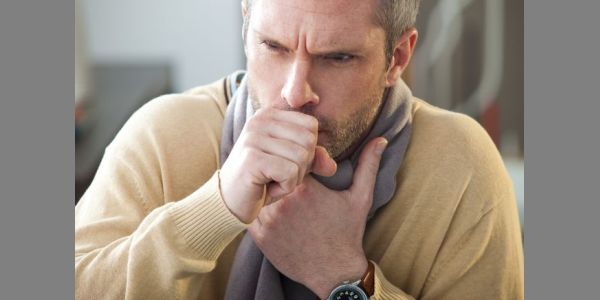
cough and fever and pneumonia symptoms of coronavirus


Known Symptoms of Coronavirus Covid-19 Infection.

According to W.H.O.[ii]:
cough fever and pneumonia are symptoms of covid-19Symptoms of COVID-19 are non-specific and the disease presentation can range from no symptoms (asymptomatic) to severe pneumonia and death. As of 20 February 2020 and based on 55924 laboratory confirmed cases, typical signs and symptoms include: fever (87.9%), dry cough (67.7%), fatigue (38.1%), sputum production (33.4%), shortness of breath (18.6%), sore throat (13.9%), headache (13.6%), myalgia or arthralgia (14.8%), chills (11.4%), nausea or vomiting (5.0%), nasal congestion (4.8%), diarrhea (3.7%), and hemoptysis (0.9%), and conjunctival congestion (0.8%).
People with COVID-19 generally develop signs and symptoms, including mild respiratory symptoms and fever, on an average of 5-6 days after infection (mean incubation period 5-6 days, range 1-14 days).
Most people infected with COVID-19 virus have mild disease and recover. Approximately 80% of laboratory confirmed patients have had mild to moderate disease, which includes non-pneumonia and pneumonia cases, 13.8% have severe disease (dyspnea, respiratory frequency 30/minute, blood oxygen saturation 93%, PaO2/FiO2 ratio <300 and="" infiltrates="" lung="" or="">50% of the lung field within 24-48 hours) and 6.1% are critical (respiratory failure, septic shock, and/or multiple organ dysfunction/failure).

One study showed the most common symptoms at onset were fever (59 [73%] patients) and dry cough (48 [59%]). Other non-specific symptoms included dizziness (two [2%] patients), diarrhoea (three [4%]), vomiting (four [5%]), headache (five [6%]), and generalised weakness (seven [9%]).vi

Another study showed that the most common symptoms were fever (98%), cough (77%), and dyspnoea (63·5%). Among 52 critically ill patients, six (11%) did not experience fever until 2–8 days after the onset of symptoms related to SARS-CoV-2 infection. The median duration from onset of symptoms to radiological confirmation of pneumonia was 5 (IQR 3–7) days. The median duration from onset of symptoms to ICU admission was 9·5 (7·0–12·5) days.[iii]

Fever51 (98%)
Cough40 (77%)
Dyspnoea33 (63·5%)
Myalgia6 (11·5%)
Malaise18 (35%)
Rhinorrhoea3 (6%)
Arthralgia1 (2%)
Chest pain1 (2%)
Headache3 (6%)
Vomiting2 (4%)

Another study showed, patients had clinical manifestations of fever (82 [83%] patients), cough (81 [82%] patients), shortness of breath (31 [31%] patients), muscle ache (11 [11%] patients), confusion (nine [9%] patients), headache (eight [8%] patients), sore throat (five [5%] patients), rhinorrhoea (four [4%] patients), chest pain (two [2%] patients), diarrhoea (two [2%] patients), and nausea and vomiting (one [1%] patient). According to imaging examination, 74 (75%) patients showed bilateral pneumonia, 14 (14%) patients showed multiple mottling and ground-glass opacity, and one (1%) patient had pneumothorax. 17 (17%) patients developed acute respiratory distress syndrome and, among them, 11 (11%) patients worsened in a short period of time and died of multiple organ failure.[iv]
It seems to start with a fever, followed by a dry cough.
After a week, it can lead to shortness of breath, with about 20% of patients requiring hospital treatment.
Notably, the COVID-19 infection rarely seems to cause a runny nose, sneezing, or sore throat (these symptoms have been observed in only about 5% of patients).[v]

Pathological findings from Patients of Coronavirus Covid-19

Most patients have showed bilateral lung involvement, with lesions mainly located peripherally and subpleurally with diffuse distribution.
The predominant pattern of abnormality observed was bilateral (64 [79%] patients), peripheral (44 [54%]), ill-defined (66 [81%]), and ground-glass opacification (53 [65%]), mainly involving the right lower lobes (225 [27%] of 849 affected segments).[vi]
Leukocytosis was detected in 26 (32%) patients and lymphocytosis in 54 (67%) patients. Concentrations of C-reactive protein and serum amyloid A protein were elevated in most patients.[v]

Homeopathy for Coronavirus Covid-19 Infection

Homeopathy treatment is based on the principle that a drug will prove curative in a condition, if it can produce similar signs and symptoms in a healthy human being during a drug trial.
In case of epidemics, a general remedy is selected on the basis of the symptoms of the existing patients and that remedy, known as Genus Epidemicus, can be given to the affected population group for that particular epidemic. The Genus epidemicus will change from year to year if the presenting symptoms change. Not just the symptoms, but also the sequence and intensity of specific symptoms can change the indicated homeopathic remedy.
Based on the epidemiological and clinical studies done so far, we know the following symptoms, which our homeopathic remedy should cover:
  • Fever
  • Chilliness
  • Dry Cough
  • Pneumonia
  • Shortness of breath
  • Tightness of chest
The sections below about steps for identifying the Genus epidemicus are technical. Non-medical people can skip the sections below and jump to the section ‘So what homeopathic remedy should I take for Coronavirus?’
Order of symptoms
The ideal remedy should be indicated for dry cough with fever. We have many remedies that cover dry cough, which remains after an acute cold. Such remedies will not be indicated. Other remedies which are known to be effective in allergic dry cough are also unlikely to work.

Absent Symptoms
We see the Nasal Discharge is absent in most patients or is a late and minor symptom. Hence our indicated homeopathic remedy should not have a presenting picture with acute runny colds.

Based on the CT findings
The CT findings suggest that usually the lower lobe of lungs are getting affected; most lesions are peripheral, near pleura and there is predilection for the right side.
So we need a remedy which is right sided, symptoms evolve from right to left, is known to affect lower lobes and cause pleuro-pneumonia.
The CT findings have also revealed absence of lung cavitations and hemorrhage in most patients, so remedies known to cover such symptoms are less likely to be indicated.

Converting the Symptoms into Repertorial Rubrics
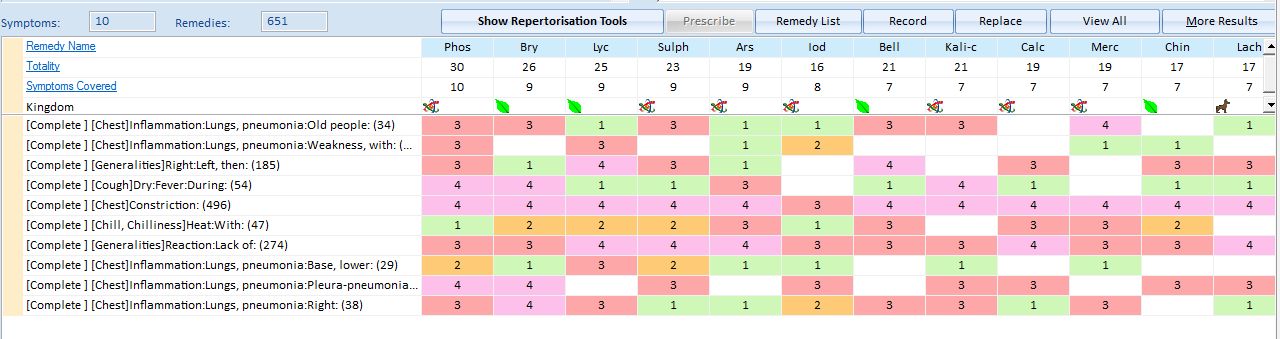
Some of the possible rubrics from the Complete Repertory:
[Complete ] [Chest]Inflammation:Lungs, pneumonia:Weakness, with:
[Complete ] [Cough]Dry:Fever:During:
[Complete ] [Chest]Constriction:
[Complete ] [Chill, Chilliness]Heat:With:
[Complete ] [Chest]Inflammation:Lungs, pneumonia:Base, lower:
[Complete ] [Chest]Inflammation:Lungs, pneumonia:Pleura-pneumonia:
[Complete ] [Chest]Inflammation:Lungs, pneumonia:Right:
[Complete ] [Generalities]Right:Left, then:

There is a possibility to add slightly different rubrics and more rubrics but the aim of repertorisation is to just reach a probable group of remedies. After that we have to use our knowledge of materia medica to filter out the right ones.
Another possible criticism could be that most of the symptoms are ‘common’ while homeopathic prescriptions are usually based on the ‘uncommon’ symptoms. To this I would say that a true simillimum usually covers both the common as well as uncommon symptoms. Many diverse common symptoms and their specific combination is itself unique, which can be used to reach the desired  group of remedies.

Repertorisation Results:
homeopathic medicine for corona virus
Remedy List
homeopathic remedy to prevent corona virus infection

We see the most likely homeopathy remedies are Phosphorus, Bryonia alba, Lycopodium, Arsenic alb, Sulphur, Iodium, Belladonna, Kali carb, Mercurius, China, Lachesis, Antim tart, Chelidonium, Gelsemium etc.
Now we need to apply our knowledge of Materia Medica to filter out the remedies that match the sequence and pace of symptoms.
The remedies that have dry cough with fever are our primary candidates. These include:
Aconite, Bryonia, Ipecac, Kali-carb, Phosphorus, Arsenic, Nux vomica, Sabadilla, Lycopodium, Sulphur, Carbo veg, Lachesis, Pulsatilla etc.
In this epidemic, the symptoms are taking time to evolve, so we need to remove remedies that have rapid pace like Aconite, Belladonna, Nux vomica, Arsenic alb etc. We also need to remove remedies that tend to produce runny colds as initial symptoms.
After this filtering, we are left with the following remedies from our reportorial results:
Bryonia, Phosphorus, Lycopodium, Mercurius, Kali carb
that seem to cover the laterality, sequence and pace of symptoms reasonably well.
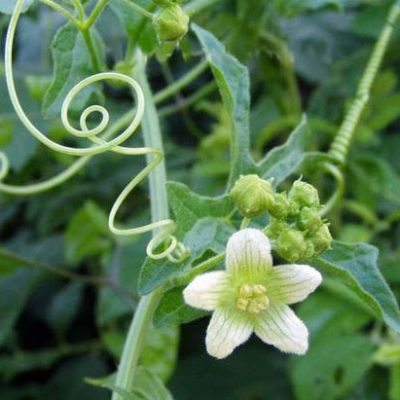
bryonia homeopathy remedy

Phosphorus may be ruled out because it is known to be indicated in hemorrhages and pneumonia with cavitations. It is the primary remedy for
[Complete ] [Chest]Inflammation:Lungs, pneumonia:Destruction of tissue, cavities, with:
[Complete ] [Chest]Inflammation:Lungs, pneumonia:Infiltration of parenchym, with bloody:
It still might be indicated in a few cases, when the symptoms agree.
Out of these, the remedy that covers the initial symptoms better is Bryonia alba and I believe, this remedy will work well as prophylactic too.
The season also now favours Bryonia because it is known to work well when the days are warm and nights are cold, the kind of weather transition after winter we are currently in.
The remedy that covers the later symptoms best is Lycopodium and could be expected to help a large majority of people who develop Pneumonia.
In Iran, there seems to be a picture of sudden collapse and Dr. Sankaran has recommended Camphora 1M for such patients. If the symptoms picture in your country is showing sudden collapse in many patients, you may consider Camphora.

Respiratory Symptoms of Bryonia from Phatak’s Materia Medica
Cough; DRY, HARD, VERY PAINFUL, at night as of from stomach, must sit up worse eating and drinking. Wants to take deep breath, but cannot or it excites cough. Expectoration; rusty blood streaked or tough. Bronchitis. Asthma. Pneumonia. SHARP STITCHES IN CHEST or at right scapula, worse deep breathing and coughing. Pleurisy. Coming into warm room excites cough. Holds chest, or presses the sternum when coughing.
Keynotes: Motion aggravates + Bursting/Stitching Pains + Dryness of Mucous membranes + Thirsty + Talks of business even while sick + Irritable and cross + Desire to be alone
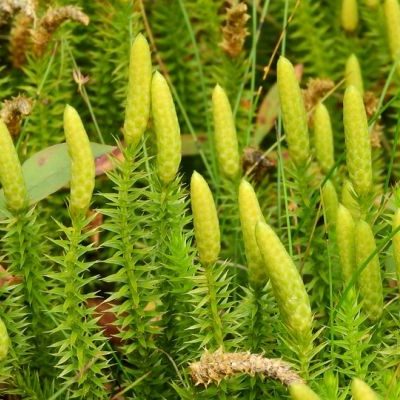
Lycopodium homeopathy medicine for pneumonia 

Respiratory Symptoms of Lycopodium from Phatak’s Materia Medica
Craves air but is chilled by it. Short, rattling breathing worse lying on back. Cough; dry, tickling, teasing; in puny boys with emaciation; day and night; deep hollow; as from sulphur fumes, worse on descending; with emaciation; worse on empty swallowing, stretching the throat; deep breathing. Salty greenish-yellow, lumpy or foul expectoration. Unresolved pneumonia. Brown yellow spots on chest. Abscess of the lungs, tuberculosis. Difficult respiration due to hydrothorax or / and hydropericardium, with flapping of alae nasi. Feeling of tightness in chest with burning.
Lycopodium is also complementary (drug relation) to Bryonia.
Keynotes: Right side + Slow onset + Flatulence + Old people/intellectually keen, physically week + Hurried + Evening aggravation, esp 4-8 PM.

Respiratory Symptoms of Phosphorus

Oppressive breathing; worse least motion. Tight suffocative breathing; worse cough. Larynx; raw, sore, furry; painful on speaking. Voice; low; hoarse worse morning and evening; croupy, then bronchitis. Cough; hard, wheezing; dry, violent, painful, tickling, hacking, exhausting; with retching; causes pain in abdomen; burning in air passages and trembling, worse reading aloud; change of weather; before strangers, laughing, exertion, singing. Sputum; easy, frothy, rusty bluish, salty, sour, sweetish, or cold. Pneumonia; of left lower lung, secondary, with sopor. Chest; full; heavy; pains into throat or right arm; or alternating sides; stitches, in left upper chest; rattling worse cold drinks. Dry hot feeling in chest; with cough; at first dry then loose. Asthma after cough. Repeated haemoptysis. Tuberculosis, in tall; slender, rapidly growing persons. Congestion in lungs. As if skin in larynx.
Keynotes: Inflammation of mucous membranes and nerves + Desires Cold drinks, Salt, Fruits, Chocolate + Hemorrhages + Left side + Suddenness of symptoms + Desires company and consolation + Sensitive to all physical or emotional impressions.

Respiratory Symptoms of Kali carbonicum
Catarrhal aphonia; with violent sneezing. Breathing difficult, asthmatic worse least motion or walking; alternating with diarrhoea; with vertigo. Incessant, hard retching or choking, futile cough; then vomiting. Whooping cough. Lungs seem to stick to the ribs. Stabbing chest pains. Hydrothorax. Whole chest very sensitive, during coughing. Cough with relaxed uvula. Coldness of chest. Expectoration; difficult, or small round balls come flying from the mouth without effort; salty, thick, bloody, yellowish, greenish, offensive and profuse; taste sour or pungent.
Keynotes: Prostration + Sharp Stitching pains + Chilly + Irritable + Anxious and Fearful + 2-4 AM aggravates + Combination of sweating, backache & weakness + Tendency to withhold symptoms-

Respiratory Symptoms of Mercurius
Hoarse rough voice. Cough; in double bouts; dry at night; yellow green sputum by day. Respiration difficult worse lying on left side but cough worse lying on right side. Stitches from lower right chest to back worse sneezing or coughing. Sensation of bubbles or as of a hot steam in chest. Epistaxis during whooping cough. Cough worse by smoking. Jaundice; in pneumonia. Shortness of breath on going upstairs or walking quickly Asthma better tobacco smoke and cold air.
Keynotes: Profuse mucous discharges + Profuse sweat + Tendency to ulcerate + Hemorrhages + Night aggravates + Lying on right side agg. + Restless + Desire for travel + Thirst for cold drinks.

Respiratory Symptoms of Arsenic album
SHORTNESS OF BREATH; unable to lie down, must sit up; worse odours, laughing, ascending, turning in bed, or receding eruptions, better coffee or sweet water. Whistling, wheezing breathing. Asthma, worse taking cold, in mid summer. Cough alternating dry and loose, dry at night better sitting up worse drinking. Expectoration scanty, frothy. Great dyspnoea; in nose; face cyanotic, covered with cold sweat, great anxiety. Aphonia. Emphysema. Pulmonary oedema. Burning or coldness in chest. Cough excited by smoking. Sensation as of vapours of sulphur in larynx. Cough, with bloody sputum. Haemoptysis; burning all over or with pain between scapulae; in drunkards; suppressed menses. Gangrene of the lungs. Darting pain through upper third of the right lung. Yellowish spots on chest.
Keynotes: Burning pains + Restlessness and Anxious + Acrid thin discharges + Prostration + Putrid discharges + Midday-Midnight Aggravation
For more detail symptoms of all these remedies, refer to Hering’s Guiding Symptoms.
All these remedies are polychrest and other individualizing symptoms must be taken note of before prescribing.
Further reading
Pneumonia from Homeopathic Therapeutics by Liliental, S
Concise Materia Medica by S.R. Phatak

So what homeopathic remedy should I take for Coronavirus?

If you are living in an area which is not yet affected by Coronavirus, you should not be taking any remedy for now.
Based on the analysis above, I believe Bryonia alba 6CH or 30CH, can serve as a prophylactic.
It can be given (only to affected population) once a day, till days become warmer and the epidemic subsides (hopefully). People are mobile in endemic or epidemic areas should take the medicine daily. People who are in self quarantine and not having social contact, can take it for 3-5 days and then take it if and when they venture out. If a patient has flu-like symptoms, you can take the same remedy in 6 or 30 potency, 6 hourly. If the vitality is very low, more freuent repetition may be required. Also consider Camphora in such a case.
If a patient develops tightness in chest and shortness of breath, Lycopodium 30CH is likely to help.
The remedy suggestions are based on the available data. Homeopathy needs much deeper individualization, and clinical experience of treating Coronavirus Covid-19 patients with homeopathy, may bring up a different group of remedies.
Some recent data from Iran shows that many patients are showing sudden collapse. Dr. Rajan Sakaran as well as Dr. Sunirmal Sarkar have suggested that Camphora be considered as a medicine and prophylactic there. So if Covid-19 patients in your country are showing signs of sudden collapse with respiratory distress, vertigo and cold sweat, you may consider Camphora.
I do not recommend self-medication. You can show this article to your homeopath for a better clinical judgment that he/she will make for you.
If you suspect yourself to have Corona virus infection, please consult the concerned medical authorities in your country immediately.
If you have a flu-like illness and wish to take homeopathic treatment, please consult a qualified homeopathy doctor in person.
You can send me your feedback and suggestions regarding this analysis at manish@hpathy.com

Postscript
After publishing this article, I have received some feedback from Hong Kong and Macau, where homeopaths have found Bryonia, Gelsemium and Eupatroium perf useful.  One case from Spain was successfully treated with Argentum nitricum 9 CH, Rumex crispus 5 CH and Alliun cepa 9 CH. These are the only data that I have received from the Coronavirus affected areas so far.

Postscript 2
I just received a very useful paper from Dana Ullman [vii]. The paper is from Chinese Pharmaceutical Association and is meant for hospital pharmacists. It has lot of first hand data and clinical details of the actual cases from China. The clinical picture/cases in this paper have been divided in four groups. [comments in braces my suggestion]
Group A: Mild  – with no respiratory symptoms. [remedies like Gelsemium, Eupatorium and Bryonia seem indicated]
Group B: Moderate – with respiratory symptoms like cough and Fever. One characteristic symptom from this document is that patients have pale or pale-red tongue. Also cough is either dry or has little yellow sputum. There is dry throat too. [remedies like Bryonia, Antim tart, Ars-alb and Phosphorus seem indicated]
Group C: Heavy – with respiratory distress. One characteristic symptom from this document is that patients have red-tongue or yellow-furry at this stage. Patient gasps on movement. [remedies like Lycopodium, Pyrogenium, Lachesis, Bryonia and Arsenic-alb seem indicated]
Group D: Critical – with respiratory failure, cyanosis and collapse. One characteristic symptom from this document is that patients have purple-tongue at this stage. Movement aggravates, there is agitation and sweating with cold limbs [remedies like Merc-sol, Lachesis, Arsenic, Hydrocyanic acid,  Camphora,  Antim-ars, Carbo-veg may be useful at this stage]

Postscript 3
I have received some information from Iran and it seems that the symptom picture in Iran is a bit different. Many patients are complaining of headache with fever, esp frontal headache. For this scenario Dr Sunirmal Sarkar suggests Polyporus pinicola. Many patients in Iran seem to be succumbing suddenly without many symptoms. I know of two internationally renowned homeopaths who are helping our colleagues in Iran treat Covid-19 cases. Both have independently found Camphora to be the most suitable remedy in Iran. We will hopefully see much more data from our esteemed colleagues soon.

Respiratory Symptoms of Camphora
Hoarse, squeaking voice. Cold breath. Suspended respiration. Violent attacks of dry cough.
Fever: Shaking chill with cold skin; wants covers during the hot stage only. Sudden inflammatory fevers, with rapid alternation of heat and cold; followed by rapid prostration.
Keynotes: Cramps and convulsions + Mental anguish; Feels is about to die + Icy cold, yet averse to covers + Burning pains + Sudden collapse + Cold perspiration + Blueness of mucous membranes

Postscript 4
Jiuan Heng wrote in and shared some useful ideas about dealing with the scare related to the Coronavirus pandemic. In homeopathy treatment, the mental state of the patient is paramount and the following points can be considered for treating the patients as well as people with extreme anxiety and panic regarding this disease:
Fear of contagion — health authorities are giving advice on how to minimize risk by not touching elevator buttons directly with the fingers. In the US, we are told to avoid touching our faces. Is it safe to travel? Is it safe to go to the office? At a restaurant in Singapore, we were sprayed with antibacterial hand sanitizers before we could be seated.
Hoarding — in Singapore, I saw photos of empty supermarket shelves coming from Hong Kong and China. Now, clients tell me they see cars lining up the street to go to the big box stores like Cosco on the weekend, and of supermarket shelves emptying fast. I hear the same thing when I visited Chinatown last weekend, from waitresses who had the time to chat because the tables were empty.
Moreover, the supplies that were most in demand and often out of stock were : face masks, disinfectants, antibacterial wipes, alcohol, thermometer covers, Dettol.
(Mind, Desires, more than she needs: Ars, Bryonia,etc)
Suspicion — is the person who is coughing on the bus a carrier? Are my classmates who just returned from their spring vacation carrying the virus? [They no longer talk about where they went!] There are anecdotal reports of people moving away from anyone who coughs and sneezes.
Racial backlash I’m not sure how to find this in the repertory. This epidemic has unleashed much of the anger and seething resentment that has been simmering has resulted in public assaults on Chinese/Chinese-looking Asians.
Conspiracy — you must have heard many stories yourself. They develop from a sense of isolation, of being siloed.
Fear of poverty the knee jerk reaction in East Asia is “How is this going to affect the economy? How is it going to affect my job/business?” The memory of the financial impact of SARS is vivid, and the people who are now in positions of power in business and politics were young adults in/looking for their first jobs when SARS hit Asia 17 years ago. It ripples across the globe, and throughout industries, and we are just seeing the first wave in the U.S.
Based on these mental symptoms and the affinity for the lungs and possibly the stomach, I suggest that Arsenicum Album should be given serious consideration, along with Bryonia as the genus epidemicus.

Postscript 5
Stephen Gallagher has brought to the notice that a very similar flu-like epidemic has happened in 1833, the details of which are given in the book “Homoeopathic practice of medicine” (Jacob Jeanes M.D.):
Another kind of catarrhal fever is the grippe which was prevalent in the beginning of the year 1833, which exhibited far greater differences in its appearances than influenza, and also far more dangerous sequelar diseases ; for, where disease of the chest was present, after an attack of the grippe a phthisis was almost inevitable, and the patient could but seldom calculate on recovery. In most instances its attacks were sudden, but in a few cases it developed itself gradually, and an uncommon debility accompanying the catarrhal symptoms, with a heaviness and soreness of the limbs, particularly of the lower extremities, distinguished the disease, with the greatest certainty, from every other kind. This condition of the limbs was frequently associated with headache and a disposition to vomit, and frequently with sore throat and some hoarseness. The obstruction of the nares was soon very severe and combined with violent tearing pains in the forehead and in the bones of the face, with a sensation of pressure in the rest of the head, vertigo, tearing pains in the ears, &c.
The disease moreover possessed many peculiarities, for example, it awakened, in those who were not perfectly healthy, old, slumbering symptoms of disease, and rendered their cure difficult; it attacked the same subject repeatedly, but always in a new form; it frequently continued for a long time with apparently unimportant symptoms, which might be removed by proper remedies but reappeared after the slightest irregularities of diet, often even on the next day; it also readily complicated itself with other diseases, modified their course, and aggravated the evil.
Frequent smelling of Camphora on the first appearance of the symptoms would suppress the disease, but after a couple of days it still came to complete development. When inflammation of the thoracic viscera was present, Nux v., after previously administered Aconit., always proved useful. Mercurius when repeated every or every other day, was the most adapted to remove the disease or even to destroy it in the germ, especially when, with severe affection of the head, throat and breast, there was a dry, shattering, slowly loosening cough. When the trachea was much irritated or inflamed, so that the acute and violent pain almost prevented speech, and the voice was very much changed, frequent smelling of Phosphorus 30 was of service.

Postscript 6
I have received several inputs from Europe that after some days of dry cough, it leads to a loss of olfactory and gustatory sense for 2 or 3 days. You can consider the following remedies for such cases:
[Complete ] [Smell]Wanting, lost:Taste, with loss of:

Total Drugs :13
3 Pulsatilla Nigricans
2 Kali Bichromicum
1 Amygdalus Persica
1 Antimonium Tartaricums
1 Chloroformum
1 Hyoscyamus Niger
1 Justicia Adhatoda
1 Lemna Minor
1 Magnesia Muriatica
1 Natrum Muriaticum
1 Rhododendron Ferrugineum
1 Sticta Pulmonaria
1 Teucrium Marum Verum
For ‘Loss of smell, with cough‘, Knerr lists only Anacardium
and ‘Smell, wanting, influenza after‘, lists only Mag-mur.


[i] https://pib.gov.in/PressReleasePage.aspx?PRID=1600895
[ii] Report of the WHO-China Joint Mission on Coronavirus Disease 2019 (COVID-19). https://www.who.int/docs/default-source/coronaviruse/who-china-joint-mission-on-covid-19-final-report.pdf
[iii] Yang X, Yu Y, Xu J, Shu H, Xia Ja, Liu H, et al. Clinical course and outcomes of critically ill patients with SARS-CoV-2 pneumonia in Wuhan, China: a single-centered, retrospective, observational study. Lancet Respir Med. 2020.
[iv] Chen N, Zhou M, Dong X, et al. Epidemiological and clinical characteristics of 99 cases of 2019 novel coronavirus pneumonia in Wuhan, China: a descriptive study. Lancet 2020. Epub January 30, 2020.
[v] https://www.worldometers.info/coronavirus/coronavirus-symptoms/
[vi] Shi H, Han X, Jiang N, et al. Radiological findings from 81 patients with COVID-19 pneumonia in Wuhan, China: a descriptive study. The Lancet. Published online February 24, 2020. DOI: https://www.thelancet.com/journals/laninf/article/PIIS1473-3099(20)30086-4/fulltext
[vii] https://www.doctorbhatia.com/download/CPA-CORONAVIRUS-2019-nCoV-Expert-Consensus-on-Guidance-and-Prevention.pdf

Homeoprophylaxis: Human Records, Studies and Trials

In the beginning… 
  • Homeopathy’s ability to prevent as well as treat epidemic disease was first discovered in 1799 by Samuel Hahnemann, founder of Homeopathy, during an epidemic of scarlet fever in which he successfully use a matching homeopathic remedy to contain its spread in those he treated. 
  • The prophylactic effects of Homeopathy were quickly picked up by other Homeopaths of the day and subsequently used with success in all of the great world epidemics. It is still employed in outbreaks and epidemics today - by people, communities and governments who have retained the knowledge and the will to use it. The following is a collation of some of those instances – historical and current. 


Chikungunya 
  • 2006: In Kerala, India, a group of doctors distributed a homeopathic preventative for chikungunya. The results of the study showed that while over 73 % contracted chikungunya in the unprotected group, only 17% of the protected group contracted the disease. (i) 
Cholera 
  • 1831: Samuel Hahnemann prevented and treated cholera during the 1831 Asiatic cholera epidemic with three main remedies. Accounts can be read in Cure and Prevention of Asiatic Cholera. (ii)
  • 1849: Dr Clemens von Boenninghausen treated and prevented “untold” numbers of cholera infections with the above remedies recommended by Hahnemann during the 1849 European epidemic. While a death rate of 54-90% occurred with conventional treatment, Boenninghausen’s patients had a mortality rate of only 5-16%.iii 
  • 1841-1854: Dr Charge, after producing a statistical table showing the difference in cholera mortality between homeopathic and allopathic treatment at the Convent Refuge at Marseilles, stated that once homeopathy was introduced prophylactically, no further cases were reported. (iv) 
Dengue Fever 
  • 1996: The Central Council of Research in Homoeopathy reported that a homeoprophylactic was administered to at least 39,200 people in the Delhi area during an epidemic of dengue haemorrhagic fever. The follow-up of 23,520 people, 10 days later, revealed that only 5 people (0.125%) had developed mild symptoms, with the rest showing no signs or symptoms of the disease. v (During epidemics of dengue, attack rates among the susceptible are often 40-50 %, but may reach 80-90 %, World Health Organisation). (vi) 
  • 2001: In São Paulo, Brazil in May 2001, a single dose of a homeoprophylactic was given during a dengue outbreak to 40% of residents in the most highly affected neighbourhood. Thereafter, dengue incidence decreased by 81.5%, a highly significant decrease when compared with those neighbourhoods that did not receive homeopathic prophylaxis (p<0 .0001="" li="" nbsp="" vii="">
  • 2006: A dengue outbreak was controlled by the Cuban Government through the preventative and treatment use of homeopathic remedies. A marked reduction in dengue haemorrhagic fever occurred easing the demand for intensive care beds. (viii)
  • 2007: Between April and September 2007, a homeopathic complex (a combination of homeopathic remedies) was given to 20,000 city residents in São Paulo, Brazil. Unfortunately the trial was aborted prematurely due to national political intervention, but the preliminary findings indicate that homeopathy was effective in the prevention and treatment of the dengue epidemic. (ix) 
  • 2008: Facing an outbreak of dengue in early 2007, the Secretary of Health of the county of Macaé, Rio de Janeiro, Brazil, carried out a “Homeopathy Campaign against Dengue”. 156,000 doses of a prophylactic complex (a combination of homeopathic remedies) was freely distributed to asymptomatic patients and 129 doses of the ‘genus epidemicus’ (the remedy that matches the characteristic symptoms of the prevailing epidemic) to symptomatic patients within outpatient clinics. The disease incidence in the first three months of 2008 fell 93% in comparison to the corresponding period in 2007. The rest of the untreated state experienced an increase of 128%. (x)
  • 2008 – 2010: An interview with the Secretary of Health responsible for the integrative homeopathy program of the previous paper reported the following: In 2007, facing a dengue epidemic, the city of Macaé, Rio de Janeiro, decided to add a homeopathic medicine to the contingency plan for dengue fever after which the disease incidence in Macaé in 2008 fell by 71% compared to 2007. In the north Fluminense region, which did not receive the prophylactic, there was an increase of 273%, and in the State of Rio de Janeiro, the increase was 315%. In 2011, there was a decrease of 89% of confirmed cases in the protected area in the first quarter compared to the same period in 2010. The prophylactic was freely distributed by the Health Department of Macaé in the years: 2007: 216,000 doses; 2008: 203,878 doses; 2009: 211,059 doses; 2010: 178 677 doses. In terms of lethality and notified dengue cases there was 0.2 in 2007, 0.0 in 2008, 0.1 in 2009 and 0.2 in 2010. In 2010 the agreed lethality target for severe forms in Macaé was 2.58; the municipality reached 0.68, a much lower rate compared to the state and other municipalities. (xi) 
  • 2010: The Colombo Municipal Council (CMC) and homeopathic doctors used homeoprophylaxis to curb dengue in areas prone to dengue mosquito breeding in Colombo city and its suburbs. (xii) 
  • 2012: In Mudurai, India, doctors from the government medical college and hospital dispensed a homeopathic prophylactic to thousands during a dengue fever epidemic. First to receive the remedy were doctors, nurses, hospital staff and students followed by the residents of the city. (xiii) 
  • 2012: The Government Homoeopathic Medical College and Hospital at Tirumangalam, India, distributed homeoprophylaxis for the prevention of dengue fever at two free camps during an outbreak. (xiv)
  • 2012: The Medical and Health Department of Chittorr, India, distributed homeoprophylactics to 2.5 million people during a dengue fever epidemic following the earlier success of prophylactics distributed for the swine flu epidemic in Kurnool. (xv)
  • 2012: Researchers and doctors from KEM hospital used a homeopathic prophylactic as the genus epidemicus (the remedy that matches the characteristic symptoms of the prevailing epidemic) for the treatment and prevention of dengue fever in Pune, India. (xvi)
  • 2012: The Government Homoeopathic Medical College and Hospital at Tirumangalam, India, established more than 30 camps to distribute a homeoprophylactic for dengue fever control during regional outbreaks. (xvii) 
  • 2013: AYUSH doctors in Guwahati state, India, used homeopathic remedies to treat and prevent dengue during a local outbreak. The former deputy director of health services and state programme officer of AYUSH advised that the constitutional medicine and nosodes (remedies prepared from a disease component) were among the best preventive medicines for the disease. (xviii)
  • 2014: The Sing Buri province of Thailand reported the lowest incidence of dengue fever of all provinces following the distribution of a homeoprophylactic by the Thai government. If pilot studies in a further seven provinces are equally successful, country-wide implementation of the program will be considered.(xix) 
Diphtheria 
  • 1932: Laboratory experiments published by Dr Chavanon showed that 45 children became Schick test negative (indicating the presence of antibodies to diphtheria) after being treated with homeoprophylactically. (xx) 
  • 1941: The test was repeated by Drs Patterson and Boyd with 23 out of 33 children becoming Schick test negative after being given the prophylactic. (xxi) 
  • 1947: Dr Roux repeated the test and produced a similar result. (xxii) 
Epidemic Fever 
  • 2007: Epidemic fever with the symptoms of: body pain; joint pains; headache; backache, chills, shivering, oedema, vomiting, cough & cold, and skin rashes, spread through Kerala, India. The Government's Rapid Action Epidemic Control Cell - Homeopathy (RAECH) quickly distributed a genus epidemicus remedy (a remedy that matches the characteristic symptoms of the prevailing epidemic). Two months later, they followed up with a study that found the overall percentage of protection offered by the remedy was 76.2% and the average protection rate was 73.83%. The percentage of protection was higher in those who had taken the genus epidemicus properly and the protection rate higher among those who had not taken other medications at the same time. The genus epidemicus, although administered in the prophylactic dose, also had a curative action in those who were already affected by the epidemic; many symptoms were significantly reduced and of shorter duration. There were also fewer post epidemic symptoms, less expense, and a smaller number of work or study days lost. (xxiii) 
Hepatitis 
  • 1991: Dr Eizayaga of Brazil noted both the curative and preventative effects of a common homeopathic remedy used for many years in the prevention of viral hepatitis. When treating individuals with hepatitis, he would also give their family members and school-mates the prophylactic. None contracted hepatitis in spite of being in close contact. (xxiv) 
Influenza and Respiratory Tract Infections 
  • 1968: Between 1968-70, a survey conducted in Indian factories and offices compared the results of allopathic (conventional) treatment and homeopathic treatment of influenza. The purpose of this survey was to determine the effectiveness of the nosode (a remedy prepared from a disease component) as a homeopathic preventative (prophylactic). Almost 20% of the patients treated by conventional medical physicians contracted the flu. Among the homeopathically treated patients, only 6.5% came down with the disease. Those who did become ill recovered more rapidly than their allopathically treated patients. The number of working days lost by the allopathically treated patients was nearly eight and a half times greater than those lost by homeopathic patients. (xxv) 
  • 2007: Human herpesvirus 1, human adenovirus C serotype 5, influenza A virus, human respiratory syncytial virus, human parainfluenza virus 3, human rhinovirus B serotype 14, and human coxsackievirus serotype A9 cause, among other complaints, colds, flu, sore throat, runny nose, cold sores, bronchiolitis, pneumonia, hand foot and mouth disease, and conjunctivitis. Gripp-Heel, a proprietary combination remedy demonstrated significant in vitro reductions of infectivity by 20% to 40% when tested against these viruses. (xxvi) 
  • 2010: Human rhinovirus B serotype 14, influenza A virus , H1N1 virus, herpes simplex virus 1, vesicular stomatitis virus, respiratory syncytial virus, parainfluenza type 3, and adenovirus cause, among other complaints, flu, colds, sore throat, swollen glands, oral vesicles, runny nose, cold sores, bronchiolitis, pneumonia, hand foot and mouth disease, and conjunctivitis. Proprietary products Engystol and Gripp-Heel displayed in vitro prophylactic effects when tested against theseviruses. (xxvii) 
  • 2011: Nosodes (remedies prepared from a disease component) or placebo was given for 30 days to 450 children in Brazil to test their effectiveness in preventing flu and acute respiratory infections. Over the next 12 months the incidence of diagnosed acute respiratory infection or flu was 3 times higher in the placebo group than those given the prophylactics. The researchers commented that the low cost of treatment and the absence of adverse effects made these nosodes a useful therapeutic option for the Brazilian Public Health Service. (xxviii) 
Japanese Encephalitis 
  • 1999 - 2003: Japanese encephalitis had caused significant morbidity and mortality in the state of Andhra Pradesh for several decades. In 1986, a high of 2038 cases with 638 deaths was recorded. Children were especially affected. A small decline in incidence occurred when homeopathic Belladonna was given as a prophylactic to some. When the Government Department of Indian Medicine and Homoeopathy began to systematically distribute prophylactics in 1999 via Public Health Centres, Government Homeopathic Dispensaries, homoeopathic pharmacies and homoeopathic doctors, notifications and mortality dropped to nil by 2003. The prophylactics were dispensed to approximately 20 million children under 15 years of age. (xxix, xxx) 
  • 2010: Research from the School of Tropical Medicine, Kolkata, in collaboration with Central Council for Research in Homoeopathy (under the Department of AYUSH, Government of India) showed that a homeoprophylactic in a range of potencies, was successful in controlling the virus in infected chick embryos. The placebo had no effect. (xxxi) 
Leptospirosis 
  • 2007-8: In late 2007, the Cuban government rapidly distributed a homeopathic nosode (a remedy prepared from a disease component) of four leptospirosis strains to 2.3 million people at high risk of infection from an annual leptospirosis epidemic. The remaining population of 8.8 million was untreated. Within weeks, the treated provinces had an 84% decrease in disease incidence while the numbers of those infected in untreated provinces continued at expected historical levels. The intervention was “strongly associated with a drastic reduction of disease incidence resulting in complete control of the epidemic.” The protective effect continued into 2008 with an 84% reduction in leptospirosis cases for the treated areas though no further prophylactic had been given. Leptospirosis infections in untreated areas increased by 22%. (xxxii)
  • 2014: A re-evaluation of the above 2007-8 Cuban leptospirosis intervention was published. It assessed the influence of potential confounders on initial results and concluded that the results supported previous conclusions that homoeoprophylaxis can be used to effectively immunize people against targeted infectious diseases such as leptospirosis. (xxxiii)
Malaria 
  • 2003: A malaria trial conducted in Kenya between 2003-2005 used a homeoprophylactic with a group of 33 volunteers. Twenty-one of the volunteers had experienced 1 – 3 malaria episodes in the 18 months prior to the trial. During the trial, one person thought he may have developed malaria but this was not verified by blood test. After a full recovery in a matter of hours, malaria was considered unlikely. All other participants in the trial remained malaria-free. (xxxiv) 
  • 2008: At Kendu Bay, Kenya, where malaria is endemic, 34 clients participated in a homeoprophylaxis observational field study. In the 6 months prior to the study, all participants had experienced attacks of malaria or malaria-like symptoms at least once with 71% experiencing malaria or malaria-like symptoms at least once a month or every two weeks. Over the course of the study and use of the prophylactic only 12% (4 out of the 34 respondents) experienced an attack of malaria or malaria-like symptoms. (xxxv) 
  • 2011-2013: Chhattisgarh, India is a known endemic area for malaria. Between 2004 -2010 it had an alarming increase in deaths from the disease. Determined to prevent a repeat or worsening in 2011 the Health Minister instructed that a known homeopathic treatment and prophylactic remedy be distributed to 9 areas within the affected state. The results of this initiative were "more than encouraging". Significant protection was achieved with data showing that higher the number of doses of the prophylactic, the lower the number of malaria cases. Those in unprotected areas were 5 times more likely to contract the disease. On the strength of these results the program was expanded to 20 areas in 2012 and 40 areas in 2013. (xxxvi) 
  • 2013: Researchers evaluated the efficacy of two homeoprophylactics in combination therapy against lethal murine malaria in mice. The combination of remedies showed significant preventive activity with chemosuppression that was higher than the standard drug, pyrimethamine. It also showed a moderate curative activity with complete clearance of parasites in 50% of surviving mice. The researchers stated, “These findings point to the significant antiplasmodial efficacy of the combination of these homeopathic drugs against Plasmodium berghei.” (xxxvii) 
  • 2014: A combination remedy for Plasmodium berghei in mice demonstrated considerable in vivo antimalarial activity and enhanced mean survival time. The authors concluded: “The study establishes the effectiveness of the combination against P. berghei in vivo along with the safety of the drugs to the liver and kidney functions of the host.” (xxxviii) 
Meningococcal Disease 
  • 1974: During a meningococcal epidemic in Brazil, 18,640 children were immunised homeopathically to protect against meningococcal infection, and 6,340 were not. The following results were obtained:
    • 18,640 protected homeopathically – 4 cases of meningococcal infection. 
    • 6,340 not protected – 32 cases of meningococcal infection. 
    • Based on the infection (attack) rate in the unprotected group, 94 cases of infection could have been expected in the homeopathically protected group. Instead, there were only four cases of meningococcal infection, showing that the homeopathic option was 95% effective against the meningococcal disease. (xxxix) 
  • 1998: The results of the first study (above) led to a larger government-funded study, 24 years later. It was conducted by two Professors of Medicine from the University Foundation in Blumenau, Brazil, and a Blumenau specialist physician and Health City Secretary. A total of 65,826 people between the ages of 0–20 were immunised homeopathically to protect against meningococcal disease while 23,532 were not. Over a 12 month period, the following results were obtained:
    • 65,826 protected homeopathically – 4 cases of meningococcal infection. 
    • 23,532 not protected – 20 cases of meningococcal infection. 
    • Based on the infection (attack) rate in the unprotected group, 58 cases of infection could have been expected in the homeopathically protected group. Instead, there were only four cases of meningococcal infection. Statistical analysis showed that homeopathic immunisation offered 95% protection in the first six months and 91% protection over the year against meningococcal disease. (xl) 
Pertussis 
  • See ‘Whooping Cough’. 
Poliomyelitis 
  • 1800s: Dr Grimmer of Chicago treated 5,000 young children with a homeoprophylactic. None developed polio. (xli) 
  • 1850: During an epidemic of poliomyelitis, Dr Taylor Smith of Johannesburg, South Africa protected 82 people with a homeoprophylactic. Of these people, 12 came into direct contact with disease. None were infected. (xlii) 
  • 1956: In a study between 1956-58, Dr Eisfelder immunized over 6,000 children with a homeoprophylactic. No cases of polio were reported in the group and no side-effects were observed. (xliii) 
  • 1957: A severe poliomyelitis epidemic occurred in Buenos Aires. The majority of homoeopathic doctors prescribed a known homeoprophylactic as a preventative. Drug stores distributed thousands of doses to the public. None of who used the prophylactic registered a case of contagion. (xliv) 
  • 1975: During another poliomyelitis epidemic in Buenos Aires, 40,000 were given a known homeoprophylactic for the disease. None developed poliomyelitis. (xlv) 
Scarlet Fever 
  • 1799: Homeoprophylaxis was born during an epidemic of Scarlet Fever in Germany. In 1799 Samuel Hahnemann, founder of Homeopathy, discovered during an epidemic that a homeopathic remedy prevented Scarlet Fever in that particular epidemic if given to people before exposure. (xlvi) 
  • 1799: Following Hahnemann’s example (above), another eleven medical doctors prescribed that remedy during the same epidemic. They reported that of 1,646 children exposed to scarlet fever after being given the prophylactic, only 123 (7.4%) developed symptoms of infection. In contrast, the infection rate in those who did not receive the prophylactic was as high as 90%. (xlvii) 
  • 1838: The Prussian Government ordered the use of the prophylactic during all scarlet fever epidemics after a report from their protomedicus, Hufeland, showed it to be an effective prophylactic. (xlviii) 
Smallpox 
  • 1800s: Clemens von Boenninghausen (1785-1864) used a common homeopathic remedy in both the treatment and prevention of smallpox during an epidemic. When given to uninfected family members of households with members already sick with the disease, none went on to contract it. (xlix) 
  • 1902: Dr Eaton reported that during a smallpox epidemic in Iowa, 2806 patients were treated prophylactically with a nosode (a remedy prepared from a disease component). Of the 547 patients definitely exposed, only 14 developed the disease. The protection rate from these numbers was 97%. (l) 
Viral Diseases 
  • 2007: Human herpesvirus 1, human adenovirus C serotype 5, influenza A virus, human respiratory syncytial virus, human parainfluenza virus 3, human rhinovirus B serotype 14, and human coxsackievirus serotype A9 cause, among other complaints, colds, flu, sore throat, runny nose, cold sores, bronchiolitis, pneumonia, hand foot and mouth disease, and conjunctivitis. Gripp-Heel, a proprietary combination remedy demonstrated significant in vitro reductions of infectivity by 20% to 40% when tested against these viruses. (li) 
  • 2010: Human rhinovirus B serotype 14, influenza A virus , H1N1 virus, herpes simplex virus 1, vesicular stomatitis virus, respiratory syncytial virus, parainfluenza type 3, and adenovirus cause, among other complaints, flu, colds, sore throat, swollen glands, oral vesicles, runny nose, cold sores, bronchiolitis, pneumonia, hand foot and mouth disease, and conjunctivitis. Proprietary products Engystol and Gripp-Heel displayed in vitro prophylactic effects when tested against these viruses. (lii)
Whooping Cough 
  • 1967: Dr Dorothy Shepherd provides several accounts of whooping cough prophylaxis by a nosode (a remedy prepared from a disease component). The following is one example: “Personally I have always used for years and years in whooping cough its own nosode, (…), which Dr John Clarke recommended so strongly in his monograph (...) has given me 100% protection even though it raged in a particular district; all the children on (…), either on the 12th or 30th potency, given daily, escaped it. I used it for years in the nurseries, in my private practice, in the medical clinic, and in hundreds of cases in various epidemics we went through, and truly it is a great remedy.” (liii)
  • 1987: A pilot study on whooping cough prophylaxis conducted by Dr J. English reported a reduction in whooping cough by a factor of approximately one in three when compared to the incidence of whooping cough in a similar but unprotected group. (liv) 
  • 1987: A small clinical trial on prophylaxis with a nosode (a remedy prepared from a disease component) by Dr A. Fox over a five-year period received 61 parent responses in which 5% of children definitely contracted whooping cough and 82% remained whooping cough free (the other 13% developed undiagnosed coughs). The prophylaxis was well tolerated with 67% of parents rating its effectiveness as "very good". (lv) 
  • 2004: Dr Golden compared the pertussis attack rate between unimmunised children and those given the whooping cough prophylactic during his 15-year study. From this he was able to determine efficacy. The unimmunised had an attack rate of 85% while the homeopathically protected group had an attack rate of 11.7%, producing a figure of efficacy of 86.2%. (lvi) 
  • 2012: In an Irish trial involving 112 children 1 -2 months of age, those given homeoprophylactics for childhood diseases, including whooping cough, were less likely to experience severe symptoms of the diseases if contracted than the vaccinated comparison group. (lvii) 
References
  • i Dr R Rejikumar, Dr R S Dinesh etal. A Study on the Prophylactic Efficacy of Homoeopathic Preventive Medicine Against Chikungunya Fever. http://www.similima.com/pdf/efficacy-chiunguna-kerala.pdf 
  • ii Hahnemann S. 1801. Cure and Prevention of Asiatic Cholera, p.755, The Lesser Writings of Samuel Hahnemann, republished by B. Jain Publishers, 1993, New Dehli. 
  • iii Von Boenninghausen, C. Baron.1984. Bönninghausens Kleine medizinische Schriften [Lesser Medical Writings] (ed. Klaus H. Gypser), Heidelberg, 1984. 
  • iv Bradford, T. L., (Compiled by) 1900. The Logic of Figures or Comparative Results of Homeopathic and Other Treatments. p.130. Philadephia: Boericke and Tafel. Reprinted by Nabu Public Domain Reprints. 2010. (Original Bradford source: North American Journal of Homeopathy, volume 4, p.298.) 
  • v Central Council of Research in Homoeopathy. CCRH News 1996-1997. 
  • vi WHO Fact Sheet: Dengue and Dengue Haemorrhagic Fever http://www.who.int/inffs/en/fact117.html 
  • vii Marino R (2008). Homeopathy and collective health: The case of dengue epidemics. International Journal of High Dilution Research; 7(25): 179-185. 
  • viii Secretaria Municipal de Saúde e Higiene da Prefeitura de São José do Rio Preto. Informe Técnico – 21/03/2007. 2007. 
  • ix Marino R (2008). Homeopathy and collective health: The case of dengue epidemics. International Journal of High Dilution Research; 7(25): 179-185. (http://www.feg.unesp.br/~ojs/index.php/ijhdr/article/viewFile/312/373
  • x de Souza Nunes LA (2008). Contribution of homeopathy to the control of an outbreak of dengue in Macaé, Rio de Janeiro. International Journal of High Dilution Research; 7(25): 186-192. 
  • xi Dengue and Homeopathy: a successful experience from Macae http://www.ecomedicina.com.br/site/conteudo/entrevista22.asp 
  • xii Sri Lanka Daily News: Homeopathy to Treat Dengue http://archives.dailynews.lk/2010/08/04/news52.asp 
  • xiii The Hindu: Keep Dengue at Bay with Homeopathy http://www.thehindu.com/news/cities/Madurai/article3531685.ece 
  • xiv The Hindu: Homeopathy Camp for Dengue http://www.thehindu.com/todays-paper/tp-national/tp-tamilnadu/article3553076.ece 
  • xv The Hindu: Homeopathy to fight dengue fever http://www.thehindu.com/todays-paper/tp-national/tp-andhrapradesh/homeop...
  • xvi Homeopathy is new challenger for Dengue http://www.punemirror.in/article/2/20121110201211100842483927ea199fd/Hom...
  • xvii The Hindu: Dengue fever- homoeopathy camps evoke good response http://www.thehindu.com/todays-paper/tp-national/tp-tamilnadu/dengue-fever-homoeopathy-camps-evoke-good response/article4155839.ece 
  • xviii The Times of India: Dengue menace - Homeopathic remedy explored http://articles.timesofindia.indiatimes.com/2013-09-12/guwahati/42007941...
  • xix Ministry to try homeopathy in Sing Buri to fight dengue http://www.nationmultimedia.com/national/Ministry-to-try-homeopathy-in-S...30229320.html 
  • xx Chavanon, P. 1952. La Dipterie, 4th Ed, St Denis, Niort: Imprimerie. 
  • xxi Patterson, J. and Boyd, W.E. Potency Action: A Preliminary Study of the Alternation of the Schick Test by a Homeopathic Potency. British Homeopathic Journal. 1941; 31: pp.301-309. 
  • xxii Eizayaga. F. Tratamiento Homeopatico de las Enfermedades Agudas y Su Prevension. Homeopatia. 1985; 51(324): pp. 352-362. 
  • xxiii Protective Efficacy of "Genus Epidemicus" (Homeopathic Preventative) Administered During Epidemic Fever in Kerala http://www.homoeopathy.kerala.gov.in/docs/jan2011/raech_report.pdf 
  • xxiv Treatise on Homeopathic Medicine by Francisco Eizayaga, MD, published by Ediciones Maracel, Buenos Aires, Brazil, 1991. 
  • xxv Krishnamurty, Report on the use of Influenzinum during the outbreak of epidemic in India in 1968. Hahnemannian Gleanings 1970;37:225-6. 
  • xxvi Glatthaar-Saalmuller B (2007). In vitro evaluation of the antiviral effects of the homeopathic preparation Gripp-Heel on selected respiratory viruses. Canadian Journal of Physiology and Pharmacology; 85(11): 1084-1090. 
  • xxvii Roeska, K and Seilheimer, B. Journal of Immune Based Therapies and Vaccines 2010, 8:6 http://www.jibtherapies.com/content/8/1/6 
  • xxviii Lyrio C, Siqueira CM, Veiga VF, Homsani F, Marques AL, Biolchini J, Dantas F, de Matos HJ, Passos SRL, Couceiro JN, Holandino C (2011). The use of homeopathy to prevent symptoms of human flu and acute respiratory infections: A double-blind, randomized, placebo-controlled clinical trial with 600 children from Brazilian public health service. International Journal of High Dilution Research; 10(36): 174-176. http://www.feg.unesp.br/~ojs/index.php/ijhdr/article/view/499/513 
  • xxix The Hindu: Japanese Encephalitis on the decline in State http://www.hindu.com/2003/04/02/stories/2003040204970400.htm 
  • xxx Golden, I. 2010. Vaccination and Homeoprophylaxis: A Review of the Risks and Alternatives. 7th Edition. Isaac Golden Publications. 
  • xxxi Bandyopadhyay B, Das S, Sengupta M, Saha C, Das KC, Sarkar D, Nayak C (2010). Decreased intensity of Japanese encephalitis virus infection in chick chorioallantoic membrane under influence of ultradiluted belladonna extract. American Journal of Infectious Diseases; 6(2): 24-28. 
  • xxxii Bracho G, Varela E, Fernández R, et al. Large-scale application of highly-diluted bacteria for Leptospirosis epidemic control. Homeopathy 2010; 99: 156-166. 
  • xxxiii A Reevaluation of the Effectiveness of Homoeoprophylaxis Against Leptospirosis in Cuba in 2007 and 2008 http://chp.sagepub.com/content/19/3/155 
  • xxxiv Partington, T. Silent and Deadly: Prophylaxis and Treatment of Malaria. Homeopathy in Practice, 2006, pp.14-19. 
  • xxxvThe Use of Homeopathic Prophylaxis and Treatment For Malaria in Endemic Areas Of Kenya (Part 2) http://hpathy.com/homeopathy-papers/the-use-of-homeopathic-prophylaxis-a...
  • xxxvi Efficacy of Chininum Sulph 200C in prevention of malaria - An Operational Research Study. State Health Resource Centre, Chhattisgarh. http://www.shsrc.org/Downloads/Chininum%20-Final%20-(17June13).pdf 
  • xxxvii Rajan A, Bagai U. Antimalarial potential of China 30 and Chelidonium 30 in combination therapy against lethal rodent malaria parasite: Plasmodium berghei. Journal of Complementary & Integrative Medicine. http://www.ncbi.nlm.nih.gov/pubmed/23652641 
  • xxxviii Bagai U, Walter NS.Antiplasmodial potential of homeopathic drugs Chelidonium and nosode against Plasmodium berghei infection.Journal of Complementary & Integrative Medicine. http://www.ncbi.nlm.nih.gov/pubmed/25046315 
  • xxxix Castro, D. & Nogueira, G. G. (1975). Use of the nosode Meningococcinum as a preventative against meningitis. Journal of the American Institute of Homeopathy, 1975 Dec 68 (4), 211-219. 
  • xl Mronisnski C, Adriano E & Mattos G. (1998/99) Meningococcinum: Its protective effect against Meningococcal disease, Homeopathic Links, Vol 14 Winter 2001, 230-234. 
  • xli Currim, A.M. Ed. 1996. The Collected Works of Arthur Grimmer, M.D. Norwalk and Greifenberg: Hahnemann International Institute for Homeopathic Documentation. 
  • xlii Taylor-Smith, A. “Poliomyelitis and prophylaxis. British Homeopathic Journal, 1950 Apr;40(2):65-77 
  • xliii Eisfelder, H. "Poliomyelitis Immunization: A Final Report." Journal of the American Institute of Homeopathy. V. 54, Nov-Dec 1961, pp. 166-167. 
  • xliv Treatise on Homeopathic Medicine by Francisco Eizayaga, MD, published by Ediciones Maracel, Buenos Aires, Brazil, 1991. 
  • xlv Treatise on Homeopathic Medicine by Francisco Eizayaga, MD, published by Ediciones Maracel, Buenos Aires, Brazil, 1991. 
  • xlvi Hahnemann S. 1801. Cure and Prevention of Scarlet Fever, p. 369-384, The Lesser Writings of Samuel Hahnemann, republished by B. Jain Publishers, 1993, New Dehli. 
  • xlvii Dudgeon R. E. 1853. Lectures on the Theory and Practice of Homeopathy, p.541,2. Republished by B. Jain Publishers, 2002, New Dehli. 
  • xlviii Hufeland. 1828.Prophylactic Power of Belladonna in Scarlet Fever, Hufeland’s Journal. 
  • xlix Von Boenninghausen, C. Baron. Vide Concerning the Curative Effects of Thuja in Smallpox. Lesser Writings. 
  • l Eaton, C.W. Variolinum. Transactions of the American Institute of Homeopathy, 1907. P. 547-567. 
  • li Glatthaar-Saalmuller B (2007). In vitro evaluation of the antiviral effects of the homeopathic preparation Gripp-Heel on selected respiratory viruses. Canadian Journal of Physiology and Pharmacology; 85(11): 1084-1090. 
  • lii Roeska, K and Seilheimer, B. Journal of Immune Based Therapies and Vaccines 2010, 8:6 http://www.jibtherapies.com/content/8/1/6 
  • liii Shepherd, D., (1967). Homeopathy in epidemic diseases (First ed.). Essex, England: The C. W. Daniel Company Limited. p.18. 
  • liv English, J.M. "Pertussin 30—Preventive for whooping cough? A pilot study," The British Homeopathic Journal, April 1987, Vol. 76, p. 61--65. 
  • lv Fox, A. D. (1987). Whooping cough prophylaxis with pertussin 30. British Homoeopathic Journal, 76(2), 69-70. 
  • lvi Golden, I. 2010. Vaccination and Homeoprophylaxis: A Review of the Risks and Alternatives. 7th Edition. p.194. Isaac Golden Publications. 
  • lvii Claudia, D. R., Ciara, O. R., Sarah, O. B., & Edward, S. (2012). Homeopathic prophylaxis: suggestion for Vaccination Homeopathic Protocol. European Journal of Integrative Medicine, 4, 36. 

Author: Fran Sheffield
Source: http://www.homeopathycenter.org/news/homeoprophylaxis-human-records-studies-and-trials

Y AHORA CON LA EPIDEMIA DE ÉBOLA: OTRA VEZ CON EL MISMO CUENTO.

Durante todo el mes de agosto los medios de comunicación nos han invadido con sus noticias de última hora sobre la epidemia de Ébola, sobre los nuevos fármacos y sobre sus incipientes vacunas y de repente en unos días deja de ser noticia.
Esto sucedió idénticamente en el verano del 2009 en referencia a la falsa epidemia de la Gripe A.
Parece como si el verano fuese una época inmejorable para lavar las mentes y reprogramarnos de nuevo y así en el transcurso del otoño el colectivo humano llega con unas ideas bien aprendidas enfocadas siempre al consumo de productos para salvar a la Humanidad.
Reorientemos el tema. Ni ha habido epidemia, ni el reservorio está en el
murciélago, ni existen fármacos adecuados y menos vacunas que disminuyan esta situación infecciosa. Este virus y sus modificaciones está presente en las personas, animales, vegetales y seres minerales de forma natural, simbiótica, saprófita y como todas las moléculas ADN/ ARN ejerce una función básica y necesaria para el desarrollo de la vida biológica de los minerales, vegetales y animales.
Es un virus ARN que pertenece a la família Filoviridae, la misma que el virus Marburgo descrito en 1967, que por primera vez se observó a partir del primer brote referido en 1976 entre los ribereños del río Ébola (antiguo Congo).
Está clasificado en la Guerra Biológica como un agente de bioseguridad nivel 4, categoría A y se le considera como un agente bioterrorista potente. Su letalidad depende entre otras cosas del estado general de la población.
Si la alimentación es suficiente, si el desarrollo económico es progresivo y
sostenible, si la estabilidad sociopolítica impera, si no existen procesos bélicos en el territorio y si no se producen desigualdades, la infección es benigna y se presenta como un proceso viral idéntico a la varicela, resfriado, malaria, gripe y dengue benigno. Las manifestaciones más frecuentes pueden ser fiebre, cefalea, erupción maculopapulosa, diarrea, tos, artralgia y cansancio generalizado.
Como toda viriasis, si las condiciones de vida son de hambre, pobreza, desigualdad, enfrentamiento bélicos y gran precariedad sociopolítica, la posible evolución benigna inicial deriva hacia una malignización al igual que la viruela terminal, el sarampión negro, el dengue grave y la malaria letal.
En esta situación es frecuente la aparición de alteraciones graves de la coagulación, siendo la hemorragia generalizada interna( respiratoria, digestiva o de cualquier órgano) la que causará la muerte rápida de la persona afectada.
En el territorio geográfico de África en el que se han descrito esta infección
aparecen datos de gran interés para entender lo que sucede.
Las situaciones difundidas sobre la infección Ébola por los medios de
comunicación en fecha 2 de septiembre se han producido mayoritariamente en Liberia, Guinea Conakry, Costa de Marfil y Sierra Leona (África Occidental).
Estos territorios se caracterizan por tener en sus suelos una gran riqueza de hierro, diamantes, azúcar, caucho, coca, bauxita, aluminio, oro, uranio, algodón, café, cacao, marfil, rutilo y cacahuete.
Materias todas ellas que manufacturadas son de gran utilización y por lo tanto muy buscadas por la industria del consumo.
Esta zona del mundo lleva decenios envuelta en conflictos bélicos internacionales debido a la extracción masiva de sus materiales por las potencias industriales y de luchas civiles desde su independencia en 1960 y sobre todo desde 1980.
La población existente supera un desempleo del 80% y malvive con una pobreza superior al 68%.
Su alta natalidad actual y el desempleo enorme hacen que las migraciones internas hacia las ciudades populosas y externas hacia otros países sean frecuentes y elevadas.
Todas estas circunstancias hacen que una infección viral pueda convertirse en una situación mortal.
Cualquier infección viral o no del tipo viruela, dengue, malaria, sarampión y ébola, en estas condiciones de vida puede presentar una Tasa de Letalidad (muertes en relación a las personas afectadas) que oscila entre un mínimo del 25% y un máximo del 90%.
En agosto del 2014 la letalidad ha rondado el 60%.
Sin embargo, es bueno recordar que no se trata de una epidemia como han dado a entender los medios de comunicación sino de una endemia.
Estamos hablando de 3.000 personas afectadas de un total de 42.000.000 de habitantes entre los cuatro países susodichos.
Si hacemos el cálculo vemos que la Tasa de Morbilidad ha sido del 7/100.000 habitantes siempre inferior a la tasa morbilidad 10/100.000 habitantes considerada internacionalmente como mínima para clasificarla como epidemia.
Ante la información manipulada vertida por los medios de comunicación y con el respaldo de las autoridades sanitarias internacionales, la industria farmacológica ha creado un terreno propio para dar a conocer sus productos estrella vendibles a muy corto plazo como son los medicamentos antivirales (monoclonales ZMapp) y las próximas vacunas (combinación del virus del resfriado común o gripe y virus Ébola desactivado). Todo este proceso de producción ha desencadenado intensos movimientos bursátiles en el mes de agosto del 2014 que indican desplazamientos de capital de unas inversiones a otras.
Es el mismo cuento explicado en el verano del 2009 para acelerar la producción de productos de consumo farmacéutico sin ninguna eficacia ni utilidad.

Autor: Xavier Uriarte (Médico), xavier.uri@gmail.com
Colaboradores: Lua Català (Pediatra). Juan Manuel Marín (Médico). Joan Mora (Médico). Anna Plà (Médico).
Fecha de elaboración: 17 de septiembre 2014.

Vacuna contra la gripe: prometen milagros, difunden errores y hacen negocio

Las vacunas son los medicamentos que más han hecho por la Humanidad, y por ello gozan de crédito entre los profesionales y la población. Sin embargo, las vacunas están convirtiendose más en negocio que en solución, como bien demuestran las “nuevas vacunas”, tipo vacuna contra el virus del papiloma humano. Nada como la gripe, cuya vacuna se promueve amenazadoramente, con exigencias de obligatoriedad y de ética. Los profesionales sanitarios actúan con lógica, y no se vacunan contra la gripe. Hacen bien, en sentido clínico, científico y ético; también hacen bien en no recomendar la vacuna ni a la población ni a los pacientes. En este texto se analiza el porqué.

RESUMEN:
La vacuna antigripal es inútil. Lo ha revisado la Cochrane Library, concluyendo sin dudas sobre su falta de eficacia. No obstante se presiona a la población y a los profesionales sanitarios para conseguir una vacunación masiva. Tal propuesta falta a la ciencia y a la ética. 

Autor: Dr. Juan Gérvas, octubre de 2011. jgervasc@meditex.es
Fuente: Equipo CESCA
Descargar texto completo aquí.

A los sanitarios: razones éticas y científicas para no vacunarse contra la gripe, y no vacunar a los pacientes (contra ninguna gripe, ni H1N1, ni H2N2, ni gripe estacional)

La gripe de cada año se trata con prudencia, con analgésicos y con reposo, en su caso. Es lógico tratar de evitar la gripe con la vacunación oportuna, pero no hay razones científicas ni éticas que soporten tal vacunación. En los últimos tiempos se está pretendiendo forzar la vacunación de los sanitarios, “para que no pasen la gripe y para que no la transmitan”. Pero ambas afirmaciones carecen de fundamento. En este texto se revisa la cuestión y se concluye que la vacuna contra la gripe es prevención sin límites, que causa más daños que beneficios.

Las vacunas antigripales son inútiles. En la revisión Cochrane 2010 queda claro que en adultos sanos ninguna vacuna antigripal evita las complicaciones (no disminuyen las neumonías, por ejemplo), ninguna vacuna evita las hospitalizaciones, ninguna vacuna evita las bajas laborales y ninguna vacuna disminuye la transmisión de la enfermedad entre humanos.

Síntesis de los hechos acerca de las vacunas antigripales
La gripe es enfermedad vírica que conlleva complicaciones en algunos pacientes, y un exceso de mortalidad en la población. Es lógico buscar la prevención a través de la vacunación. Pero las vacunas antigripales son inútiles.
En la revisión Cochrane de 2010 queda claro que en adultos sanos ninguna vacuna antigripal evita las complicaciones (no disminuyen las neumonías, por ejemplo), ninguna vacuna evita las hospitalizaciones, ninguna vacuna evita las bajas laborales y ninguna vacuna disminuye la transmisión de la enfermedad entre humanos (1).
La vacuna contra la gripe disminuye los síntomas de gripe de forma que si la vacuna “cuadra” perfectamente con el virus circulante sufren las molestias el 1% de los vacunados (contra el 4% de los no vacunados). Si sucede lo habitual y la vacuna “no cuadra” perfectamente con el virus circulante, la efectividad es todavía menor y sufren las molestias gripales el 1% de los vacunados frente al 2% de los no vacunados (1).
Las vacunas antigripales en adultos sanos producen 1,6 casos de enfermedad de Guillain-Barré por millón de vacunados (1).
Con razón se ha dicho que el daño provocado por la vacuna contra la gripe A (H1N1) fue mayor que el daño provocado por la gripe A (H1N1) (2).
En los niños sanos menores de dos años la vacuna contra la gripe es inútil.
En los mayores su efectividad respecto a los síntomas puede llegar a ser del 33%, como mucho (3).
La vacunación en niños no previene las hospitalizaciones por gripe y sus complicaciones, y los resultados sobre su efecto “protector” respecto a la transmisión de gripe en la comunidad son inconsistentes y escasos (4). Esta inmunidad “de rebaño” es poco esperable con las vacunas de virus inactivados, como son las vacunas contra la gripe (5).
No hay ensayos clínicos a largo plazo ni en sanos, ni en los grupos de riesgo, ni en niños, ni en adultos y por ello desconocemos los beneficios y daños, pues también faltan estudios de seguridad (1,3,6).
En los mejores estudios observacionales sobre mortalidad por gripe, cuando se eliminan los sesgos (principalmente, el sesgo de selección que lleva a vacunarse a los más sanos entre los enfermos), la efectividad de la vacuna antigripal es del 4,6%. Como mucho se evitarían 16 muertes de 100.000 asociadas a la gripe (7).Por todo ello la vacuna contra la gripe es una vacuna fallida, inútil y que no se debería utilizar por los sanitarios que intentan trabajar con ética, ciencia y conciencia.

Políticas para “forzar” la vacunación de los sanitarios
Continuamente se hacen declaraciones públicas para “forzar” la vacunación de los sanitarios y para justificar las vacunas contra la gripe (8).
Si hay buena fe, esta declaraciones pudieran expresar sesgos, a la vista de los resultados comentados. Lo lógico es que los sanitarios no se vacunen ni vacunen a sus pacientes. Por ciencia y por ética. En todo caso, para respetar al menos la autonomía y promover la no maleficencia (primum non nocere).
La autonomía establece que se precisa información veraz, completa y comprensible, y la no maleficencia que lo básico es no hacer daño.
Es impensable que el caso de “forzar” a los sanitarios fuera de conflictos de interés y el objetivo incrementar las ventas a través de los propios sanitarios, que vacunados vacunarían a sus pacientes.
Además de las declaraciones para “forzar” la vacunación de los sanitarios, cada temporada se “inventan” una gripe. Este año, 2011, toca la gripe H2N2 (la gripe “asiática”), contra la que se pide que nos vacunemos “ya” (9). Se nos asusta de nuevo con grandes números: “produjo millón y medio de muertos en el mundo” durante la última pandemia (entre 1957 y 1968). Pero con tres mil millones de habitantes en el mundo ¡hubiéramos tenido que esperar casi cinco millones de muertos por gripe! (a razón de 400.000 por año durante la gripe estacional habitual, en doce años). Y, por supuesto, carecemos de ensayos clínicos y de estudios de seguridad respecto a esta vacuna antigripal H2N2, como respecto a todas las demás.
El “contrato curativo”, en que el sanitario responde al sufrimiento del paciente, da un amplio margen para compensar beneficios con daños (por ejemplo, para reparar una tetralogía de Fallot, o para aliviar el dolor de una hernia discal). En el “contrato preventivo” los términos cambian, y la propuesta tiene que ofrecer grandes beneficios y daños muy improbables. No es el caso de la vacuna contra la gripe; sí es el caso, por ejemplo, de la vacuna contra la poliomielitis.
Nosotros y nuestros pacientes merecemos sólo la mejor prevención; por ello no nos merecemos ni nosotros ni ellos la vacuna antigripal.

Nota importante
El autor no tiene ningún conflicto de interés. Le guía sólo la búsqueda de la mejor alternativa para el cuidado de los pacientes. Cree en la prevención, pero no en la prevención sin límites (aquella prevención que provoca más daños que evita). La vacuna contra la gripe pertenece a las actividades preventivas sin límites.
El autor agradecerá correcciones y comentarios.

Bibliografía
1.Jefferson T, Di Pietrantonj, Riverti A, Bawazeer GA, Al-Ansari LA,Ferronic E. Vaccines for preventing influenza in healthy adults. The Cochrane Library, 2010.
2.Collignon P. H1N1 immunisation: too much too soon. Aust Prescr.2010;33:30-1.
3.Jefferson T, Rivetti A, Harnden AR, Di Pietrantonj C, Demicheli V.Vaccines for preventing influenza in healthy children. The Cochrane Library, 2008.
4.Jordan R, Olowokure B. Indirect community protection against influenza by vaccinating children: a review of two recent studies from Italy and the United States. Euro Surveill.2004;8(51):pii=2605. Disponible en:http://www.eurosurveillance.org/ViewArticle.aspx?ArticleId=260
5.León P. Vacunas víricas: conceptos básicos, tipos y aplicaciones. FMC.2010;17:113-21.
6.Gérvas J, Wright J. Future of flu vaccines: Please, may we have a RTC now? BMJ. 2009;339:b4651
7.Fireman B, Lee J, Lewis N, Bembom O, van de Laan M, Baxter R.Influenza vaccination and mortality: differentiating vaccine effects from bias. Am J Epidemiol. 2009; 170:650-6.
8.XIX Jornadas Internacionales sobre Actualización en Vacunas. Noticias Médicas. 2011(marzo);3969:33-40.
9.Nabel GJ, Wei CJ, Ledgerwood JE. Vaccinate for the next H2N2 pandemic now. Nature. 2011;471-157-8.


Autor: Dr. Juan Gérvas. El autor no tiene ningún conflicto de interés.
Publicado en la web del Equipo CESCA, coordinado por Juan Gérvas.
Fuente: http://www.equipocesca.org/wp-content/uploads/2011/04/vacuna-antigripal-razones-no-sanitarios-2011.pdf

Enlaces de interés:
Vacunas para la prevención de la gripe en personas de edad avanzada (Revision Cochrane traducida)
Vacunación contra la gripe para profesionales de la salud en contacto con pacientes de edad avanzada (Revision Cochrane traducida)
Vacunas para la prevención de la gripe en pacientes asmáticos

Remedios para el brote gripal actual. Febrero 2011.

El Dr. Edouard Broussalian en su página planete-homeo.org habla del Medicamento actual para la gripe cuyo pico ahora padecemos. Caracteriza los síntomas a repertorizar del siguiente modo:
  • Palidez del rostro durante la fiebre, ojos brillantes.
  • Dolor de garganta, voz ronca.
  • Pequeña tos seca.
  • Apetito conservado.
  • Fiebre alta.
  • Frío, sobretodo en las piernas.
  • Adenopatías.
A este cuadro podemos añadir que los pacientes detestan que les dejen solos.
Repertorizados dichos síntomas, Phosphorus da la imagen del remedio dominante que es eficaz en la mayor parte de los casos, resolviendo el proceso en 24 horas. En la citada página realiza su repertorización en base a los síntomas antedichos.
Puntualiza además que daría:
  • Arsénicum album: En caso de que el empeoramiento sea muy rápido.
  • Hepar sulfur: Si la tos es muy dolorosa, el paciente es muy sensible al frío de tal modo que al quitarse la manta o el edredón tiene escalofríos.
  • Sílica: Sigue a Hepar después de su fracaso.
Después de haber estudiado su propuesta, he de decir que prácticamente coincide con la mía. En mi caso, junto a estos cuatro remedios añadiría Eupatorium perfoliatum, cuyos síntomas guía serían:
  • Se queja durante los escalofríos.
  • Dolores óseos por el menor movimiento.
  • Sensación de magulladura en todo el cuerpo.
  • Gran debilidad durante la fiebre.
  • Obstrucción nasal.
Nosotros estamos haciendo uso de las potencias LM, en concreto procedemos del siguiente modo: Diluimos dos glóbulos en 20 c.c. de agua mineral, agitamos hasta la disolución y procedemos a dar una gota que repetimos a la media hora, a la hora, a las dos horas, a las cuatro y cada 8 horas si fuera necesario, siempre sin olvidarse de agitar previamente. Si el remedio ha sido bien elegido, en 18 – 24 horas el proceso remite.

Autor: Dr. Edouard Broussalian
Artículo original en francés: PHOSPHORUS: Médicament de la grippe actuelle
Traducción y comentarios: Dr. Javier Ramos Alija, publicado en su blog Homeopatía en gránulos
Fuente: http://homeopatiaengranulos.blogspot.com/2011/02/remedios-para-el-brote-gripal-actual.html

La OMS ocultó que sus expertos en gripe A cobraron de farmacéuticas

El organismo no informó a los Gobiernos cuando les instó a reservar antivirales

La gestión de la pandemia de gripe A por la Organización Mundial de la Salud (OMS) fue poco transparente. Según un estudio del British Medical Journal (BMJ), una de las revistas médicas de referencia, un informe clave de la OMS ocultó los vínculos financieros entre sus expertos y las farmacéuticas Roche y Glaxo, fabricantes de Tamiflu y Relenza, los fármacos antivirales contra el virus H1N1. Ese fue el informe que instó a los Gobiernos a apilar reservas de esos medicamentos, por valor de unos 6.000 millones de dólares (4.900 millones de euros). Las críticas del British Medical Journal se suman a las del Consejo de Europa, que recientemente también acusó a la OMS de opacidad, aunque por otra razón: que los 16 miembros del comité de emergencia que asesoró durante la crisis a la directora del organismo, Margaret Chang, son secretos.

La organización aún no ha desvelado los nombres del comité de emergencia. Los países hicieron acopio de fármacos por valor de 4.900 millones de euros. Pese al temor inicial, el H1N1 ha sido menos letal que el virus convencional. España ha usado 2 de los 13 millones de dosis de vacunas que compró.

Si la identidad de los 16 miembros del comité de emergencia se mantiene en secreto para evitar que los presione la industria, la medida es ingenua y contraproducente, alegan los expertos críticos con la OMS. Los nombres de Robert Webster, del Hospital Infantil de Memphis (Tenessee, EE UU) , o de Tasiro Masato, jefe de virología del Instituto Nacional de Enfermedades Infecciosas de Japón, deben ser secretos para muy pocos industriales. Y mantener sus nombres ocultos es justo lo que impide al resto del público fiscalizar sus nexos con las farmacéuticas.

Las pautas de la OMS que recomendaban a los Gobiernos almacenar Tamiflu y Relenza -los únicos dos fármacos antivirales eficaces contra el virus H1N1- fueron publicadas en 2004, y se apoyaban en publicaciones de los tres expertos ahora cuestionados. Estos tres científicos sí declararon sus lazos con la industria en sus papers (publicaciones científicas), pero la OMS no recogió esa declaración en el informe que entregó a los Gobiernos.

Los vínculos entre los científicos de la OMS y la industria fueron anteriores a 2004. Roche y Glaxo les pagaron por una serie de conferencias y consultas. También han intervenido en investigaciones pagadas por los laboratorios. Este tipo de vínculo es muy común. Los principales expertos intervienen en los ensayos clínicos financiados por la industria. Pero deben ser transparentes, y la OMS debió declararlos en su informe, según el BMJ.

La postura de la OMS es que los conflictos de interés son "inherentes a cualquier relación entre una agencia como la OMS y una empresa que persigue beneficios". Lo mismo vale para los expertos que asesoran a la agencia y tienen "vínculos profesionales con las compañías farmacéuticas". Pero el organismo negó ayer que la industria influyera en la gestión de la pandemia.

Ya en enero, el Consejo de Europa organizó una audiencia en Estrasburgo para analizar si la declaración de pandemia, emitida por la OMS en junio del año pasado, estuvo justificada vista de la escasa peligrosidad del virus. Pese a los temores iniciales, el H1N1 ha resultado menos letal que la gripe común de cada año.

La reunión, promovida por Wolfgang Wodarg -hasta poco antes presidente del comité de sanidad del Consejo de Europa- no sirvió de nada. Wodarg se reafirmó en que la OMS había exagerado los riesgos en colusión con big pharma, y la OMS se enrocó en que "pandemia es cuando un nuevo virus se difunde, y este lo es", como dijo su número dos, Keiji Fukuda.

Poca gente había oído hablar de la OMS hace solo 10 años. La agencia de la ONU se ha convertido en un referente mundial debido a tres epidemias: el SARS, o neumonía asiática, en 2002 (800 muertos), la gripe aviar iniciada poco después (300 muertos) y la última pandemia de nueva gripe. En prevención de esta última, España compró 13 millones de dosis de vacuna, de las que se han usado solo dos millones.

El nuevo estudio crítico con la gestión de la OMS es una investigación del propio BMJ y del Bureau of Investigative Journalism británico. Los virólogos y epidemiólogos especializados en el virus de la gripe -el agente infeccioso más impredecible que se conoce- ya recomendaban a los gobiernos almacenar reservas de Tamiflu y Relenza antes de la aparición del H1N1, en prevención de cualquier posible pandemia de gripe.

Autor: Javier Sampedro, periodista.
Publicado en el periódico de Madrid El País - 05/06/2010.